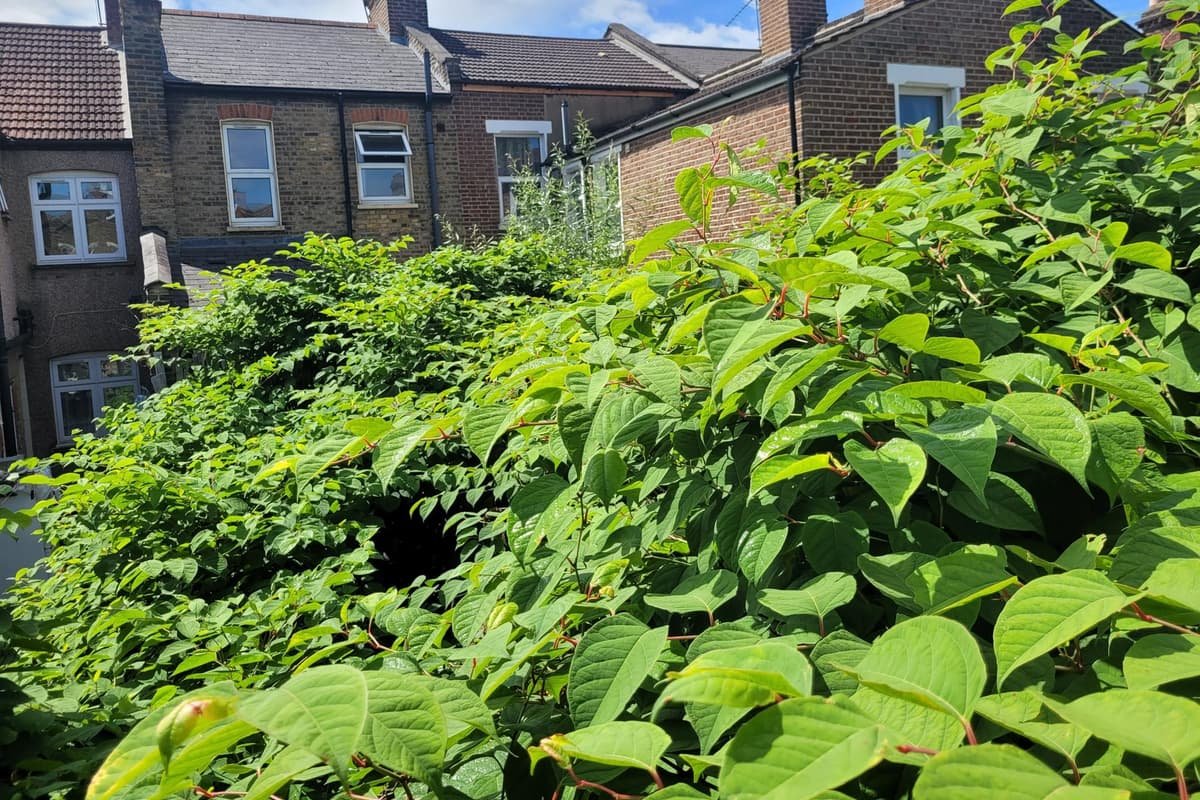
If left unmanaged, knotweed can cause damage to buildings, hinder property sales and lead to legal disputes if it spreads across property boundariesThere have been a total of 220 verified sightings of knotweed across Cambridgeshire, with 40 identified in Peterborough according to new research by Invasive plant consultancy Environet.The new research reveals where homeowners and buyers are most likely to encounter the invasive plant.Japanese knotweed spreads rapidly and overwhelms other plants. It hibernates during the winter months before emerging when the ground temperature reaches around 4C.There are 220 verified sightings of knotweed across CambridgeshireIf left unmanaged, knotweed can cause damage to buildings, hinder property sales and lead to legal disputes if it spreads across property boundaries.Knotweed does not reproduce by seed in the UK since all the plants are female, but its root system can extend up to 7 metres laterally beneath the ground and once established, even tiny fragments of rhizome can regenerate into new plants.Cambridgeshire’s top 5 Japanese knotweed hotspots are as follows Cambridge – 40 verified sightings Peterborough – 37 verified sightings Wisbech – 13 verified sightings March – 10 verified sightings St Neots – 8 verified sightings Environet’s map for Japanese knotweed hotspotsHow to spot Japanese knotweed during summer Tall, upright canes which can reach 2 to 3 metres high. Dense clusters of stems emerge from a central crown in the ground. Large green shield-shaped leaves with a pointed tip grow alternately up the stem. By late summer, cone-shaped tassels of small creamy-white flowers emerge on the upper canopy. Environet director Emily Grant said, “Japanese knotweed is now firmly established right across the country, which means homeowners everywhere should know what to look for.“My advice to anyone living, or buying a home, in a Japanese knotweed hotspot is to check your garden regularly during the growing season. At this time of year, an established knotweed plant can be identified quite easily by its hard bamboo-like canes and distinctive bright green shield-shaped leaves which grow in a zig-zag pattern along the stem.“The earlier it’s spotted, the easier and cheaper it is to deal with. Acting quickly with professional advice will prevent it spreading further and help protect both your property and its value.”Continue Reading
REVEALED: Hotspots for invasive Japanese knotweed across Cambridgeshire – here’s where Peterborough ranks and what to do if you find it