Khumalo Family Says Ndodana Tshuma’s Relatives Have Not Apologised After UK Triple Murder Tragedy
The family of Zandile Nothabo Khumalo and her two daughters has voiced its disappointment over the absence of Ndodana Mkhanyisi Tshuma’s relatives at a time they expected a gesture of sympathy and remorse.
Relatives said they were hoping Tshuma’s family would visit them following the deaths of Zandile, Natalie and Nala, who were killed in Great Denham, Bedfordshire, in the United Kingdom, last month.
Also Read: Family Launches GoFundMe To Bring Nothabo Khumalo And Daughters Home To Zimbabwe
Family Wanted Cultural Gesture
Addressing mourners at the funeral service held at Brethren in Christ Church in New Lobengula on Tuesday, Khumalo family representative Dr Ntsika Dakamela said Tshuma’s relatives had not reached out to offer condolences.
He said the family had expected a traditional gesture where Tshuma’s relatives would visit the Khumalo home and express their sorrow over the tragedy.
“According to our culture, they were supposed to come to the gate, kneel down and say they were sorry because what happened was not of their doing,” Dr Dakamela said.
Concerns Raised Over Lack Of Communication
Dr Dakamela said the family chose to speak publicly to prevent misunderstandings and speculation surrounding the issue.
He said the Khumalo family had been waiting for the visit but received no communication from Tshuma’s relatives.
“We don’t want people to speculate. We expected them to come, but they did not. They took it lightly,” he said.
Mother And Daughters Buried Together
Zandile, 42, and her daughters Natalie, 15, and Nala, five, were laid to rest side by side at Old Luveve Cemetery.
The burial followed a memorial service at Brethren in Christ Church, where family members and friends gathered to honour their lives.
Tshuma Remains In Custody
Tshuma, who is Zandile’s husband and the father of Natalie and Nala, remains detained in South Africa.
Category: Bedford

Khumalo Family Says Ndodana Tshuma’s Relatives Have Not Apologised After UK Triple Murder Tragedy

15-year-old boy is sixth charged in connection with attempted murder
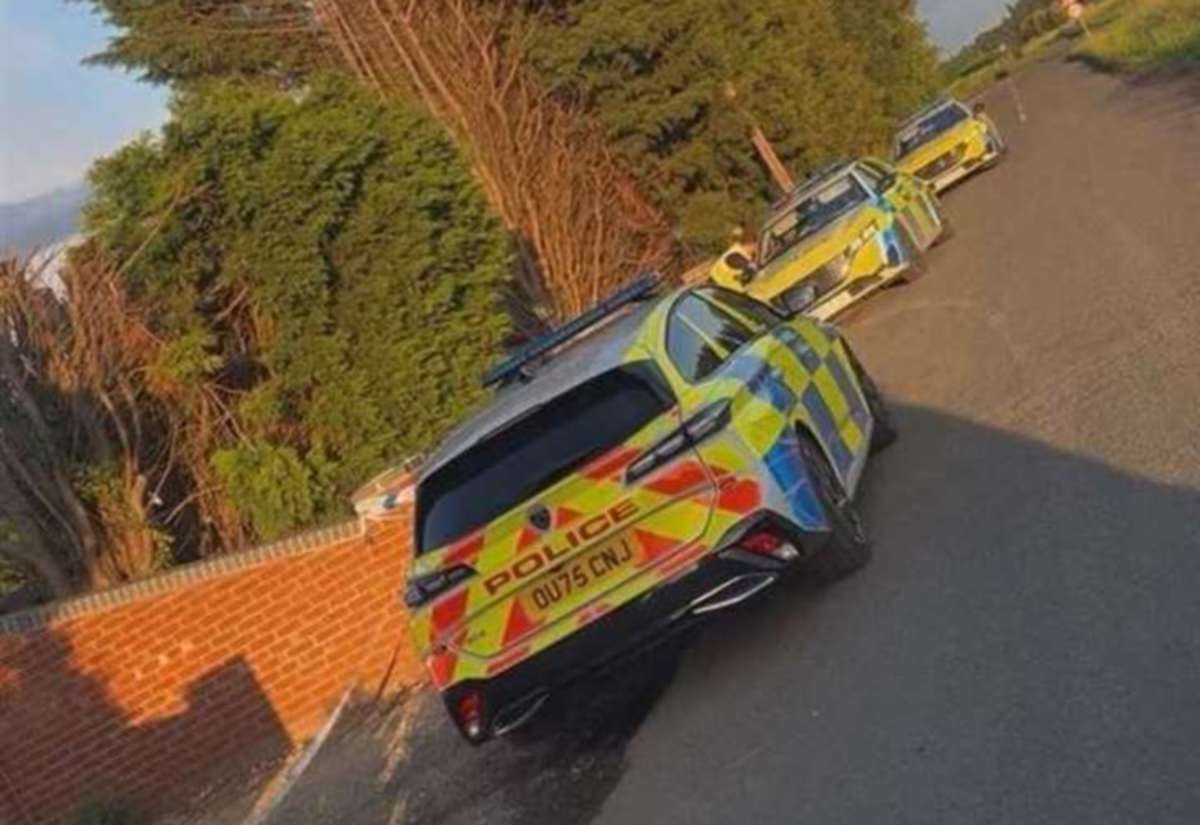
A 15-year-old boy has today been charged with conspiracy to murder, actual bodily harm (ABH) and possessing an offensive weapon in a public place.The youngster, from Basildon in Essex, is the sixth person to be charged in connection with the attempted murder of a man in Gorefield on May 31.He has been released on police bail to return to Milton Police Station on September 9, and cannot be named because of his age.Police at the scene of the May 31 shootingFive people made preliminary court appearances before Luton magistrates on July 22 and were remanded into custody after the shooting incident, which happened at Leverington Common at about 1.55am.Paramedics attended and the victim, a man in his 20s, was taken to hospital with serious injuries. He remains in a critical but stable condition.The following people have since been charged: Jesse Hughes, 31, of St Thomas’ Road, Luton, Bedfordshire, with attempted murder, possession of a firearm and perverting the course of justice;Billy Cameron, 21, of Grosvenor Road, Basildon, Essex, with conspiracy to murder and perverting the course of justice; Brandon Walsh, 29, of Long Riding, Basildon, Essex, with conspiracy to murder and perverting the course of justice;Eleanor Warren, 30, of Willingham Gardens, Flitton, Bedfordshire, with perverting the course of justice;Leah Foley, 34, of Byrd Court, Basildon, with assisting an offender. None of the suspects entered a plea, and they will remain in prison until a plea and trial preparation hearing, which is due to take place on August 19.A 35-year-old man from March, who was arrested on suspicion of attempted murder, has been released on police bail and is due to return to Thorpe Wood Police Station on August 31.

Central Beds Council planning application at Cranfield school branded ‘a complete mess’
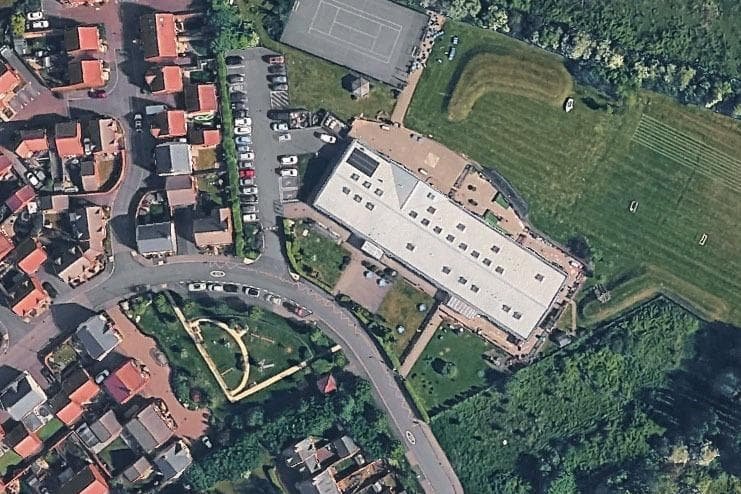
Cranfield Church of England Academy (St Paul’s site)A temporary classroom scheme at a Cranfield school “is a complete mess” and “would be thrown out” if submitted by anyone other than Central Bedfordshire Council, a meeting heard.The council’s education department submitted plans for a temporary single-storey building with two extra classrooms at Cranfield Church of England Academy (St Paul’s site), off Braeburn Way.The proposed block will accommodate Year 5 and Year 6 pupils, according to a report to CBC’s development management committee.This which would allow the school to convert from a lower school to a primary school, said the report.Senior planning officer Ben Keen told the committee: “The site consists of nearly three-quarters of an acre of grassland and forms part of the school playing field.“Sport England has removed its holding objection requiring a condition for the sports field to be reinstated eventually,” he said.Conservative Cranfield and Marston Moretaine councillor Sue Clark explained: “We need the school places as the schools in Bedford borough have made the transition to a two-tier education system already.“So it’s essential this goes ahead. There’s an enormous caveat around the highways access arrangements. Flitt Leys Close is already congested.“A parking court will be created out of a small employment area being bought by the developer. There’ll be further double yellow lining towards the school and a zebra crossing installed.“Nine spaces in that small area will be for anyone to park, with the remainder designated for Flitt Leys Close residents losing their on-street parking. That’s for when a reserved matters application comes to committee.“I’d urge you to demand a better solution and then there must be proper enforcement, while the travel plan needs delivering much sooner than six months from today.“There’s a piece of land owned by NHS England next to the school. It’s been suggested that if this was purchased by the council, it would relieve much of the pressure.”Cranfield Parish Council strongly objected to the application on highways grounds.Chartered town planner at planning agents Bidwells Mike Jones said: “The temporary proposals are necessary, as it’s not possible to plan and deliver the required works without impacting on the operation of the school.“There’ve been highways talks around how to shift away from car dependency for drop-off and pick-up. There are extra measures to make pedestrian access safer and encourage non-motorised transport.“We’re actively seeking that school travel plan. It’s not agreed yet. But it’s substantially drafted and ready, subject to minor conversations. More staff parking places are proposed.”Conservative Dunstable West councillor Nigel Young was critical of “an appalling decision to scrap camera cars to enforce school zigzags”, saying: “We have to mitigate against the issues this will cause.“The majority of our schools are plagued by inappropriate parking. We want zigzags wherever they can legally be put, not single yellows. The rest is for assets to get on and purchase the NHS land.”Conservative Clifton, Henlow and Langford councillor Richard Wenham warned: “If this was an application from anyone other than the council, I’m sure this committee would be throwing it out.“It’s truly dreadful this is coming here with now only five weeks of the summer holiday remaining. The chairman should be taking this up with the relevant directors.“None of those mitigations mentioned are likely to be in place before the planning permission for the temporary classrooms has expired. This whole thing is a complete mess.“I find it very hard to support it, although we can’t leave children with nowhere to go for their education in September. The travel plan isn’t worth the paper it’s written on, with no chance of it being implemented before September.“The relevant officers in assets and education should hold their heads in shame to have just foisted this on the committee now.”Liberal Democrat Leighton Linslade North councillor David Bligh, who chairs the committee, added: “It’s not first time the education team has failed to put in an application early enough or appropriately by consulting with other teams.”Independent Potton councillor Tracey Wye suggested: “An emergency traffic management meeting could approve some zigzags.”The Central Bedfordshire Community Network Biggleswade West councillor Hayley Whitaker agreed, saying the school travel plan should also be in place sooner.Councillors approved the development, with eight votes in favour and one against.Continue Reading

Islamabad’s Saad Shabbir Abbasi Earns LLB Degree from University of Bedfordshire, UK
ISLAMABAD: Saad Shabbir Abbasi, a resident of Malot village in Islamabad, has been awarded a Bachelor of Laws (LLB) degree by the University of Bedfordshire, United Kingdom, after successfully completing his legal studies. He received the degree during the university’s Summer Graduation Ceremony 2026.The achievement marks an important academic milestone for Abbasi and reflects his dedication and commitment to legal education. His accomplishment has been warmly welcomed by his family, friends, and well-wishers, who congratulated him on reaching this significant milestone and expressed their best wishes for his future success in the legal profession.
Post Views: 105

Police seek witnesses after fatal car crash near Stewartby
Man in his 20s killed, woman hospitalised in three-car collisionAuthor: Maisie NorrisPublished 6 hours agoLast updated 4 hours agoA fatal collision near Stewartby on Friday night resulted in the death of a man in his 20s and serious injuries to a woman in her 30s.The crash, involving a blue Vauxhall Astra, a black Audi A6, and a white Audi TT, occurred just before 11.50pm on the B530 Ampthill Road, near Stewartby Way junction.Emergency services attended the scene, where the young man was pronounced dead, and the injured woman was transported to hospital for treatment.Police from the Bedfordshire, Cambridgeshire, and Hertfordshire Road Policing Unit are appealing for information from the public, especially from anyone who saw the vehicles before the collision or possesses dashcam footage.Sergeant Claire Marland expressed condolences to the deceased’s family and emphasised the importance of any information that could shed light on the circumstances of the crash.People with relevant information or footage are encouraged to report it online or by calling 101, quoting Operation Gannett.Hear all the latest news from across the UK on the hour, every hour, on Greatest Hits Radio on DAB, smartspeaker, at greatesthitsradio.co.uk, and on the Rayo app.

Simon Houfe, eccentric student of the past who inherited a Regency townhouse in Bedfordshire – AOL
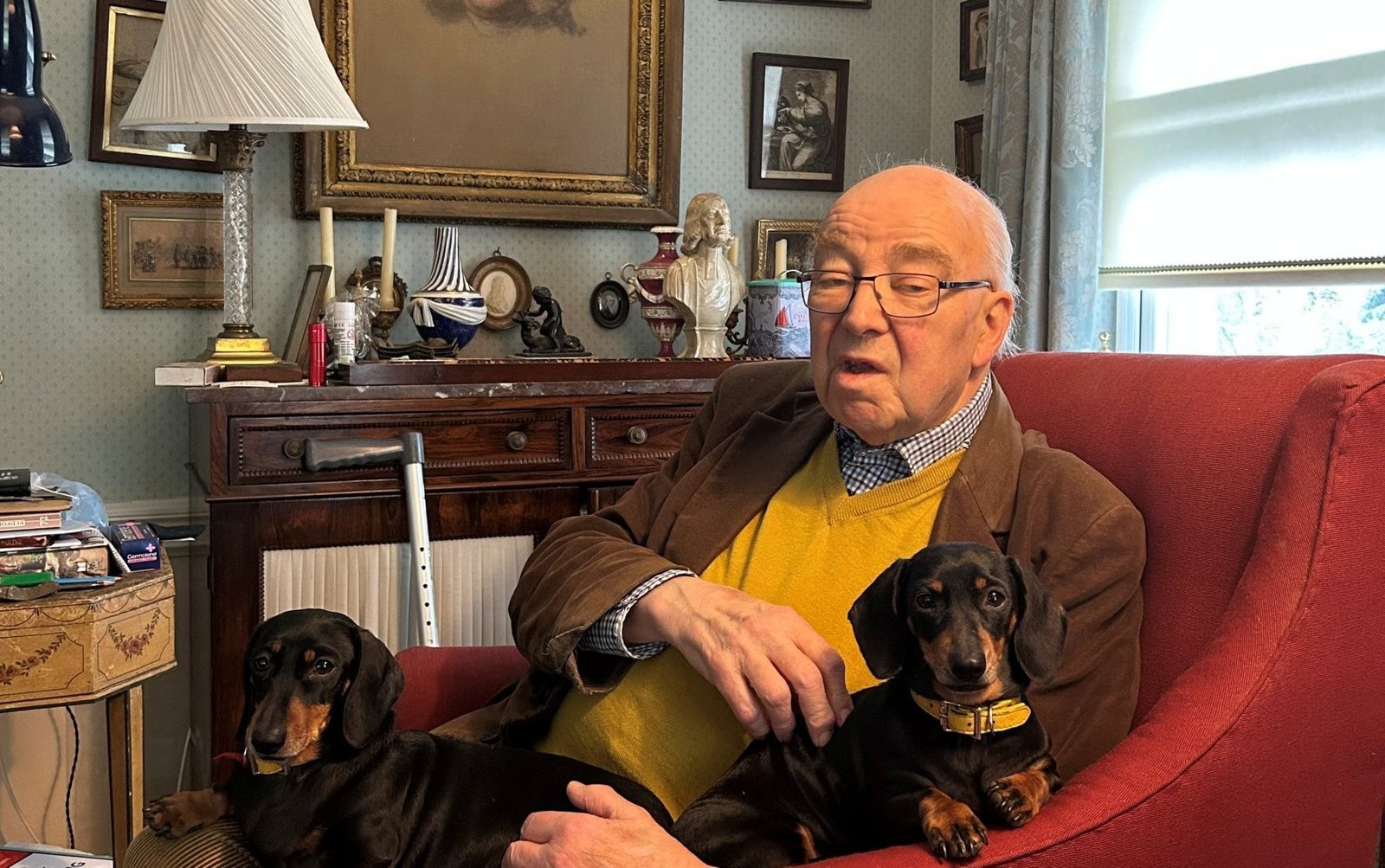
Simon Houfe, who has died aged 84, was a Bedfordshire antiquary, an authority on 19th-century book illustrators, and guardian of the legacy of his grandfather, Sir Albert Richardson, the architect, conservationist and president of the Royal Academy.Simon Richard Byers Houfe was born on September 13 1942, the son of Eric Houfe, an architect, and his wife, Kathleen, the only daughter of the formidable Sir Albert Richardson. “The Professor”, as he was invariably known, dominated the upbringing of young Simon, who was brought to live in his grandfather’s atmospheric Regency townhouse, Avenue House in Ampthill, Bedfordshire, when he was only six days old. An only child, Simon, idolised his eccentric grandfather and inherited his Edwardian outlook and mannerisms.Both his grandfather and his father clearly hoped that Simon would follow them into the architectural profession, but that was not to be. He hated Stowe School, despite its Arcadian beauties, and on leaving was briefly sent to Florence as secretary to the elderly Violet Trefusis at Villa dell’Ombrellino – a rather alarming experience, from which he returned home early.No one was quite sure what to do with Simon, but he loved Avenue House, living there as caretaker and curator of its myriad collections after his grandfather’s death in 1964 – the Professor had strictly forbidden the installation of electricity, and there was very little heating, so Simon’s parents had long decamped to a more comfortable property elsewhere in Ampthill.Somehow, he obtained a job in the Department of Prints and Drawings at the Victoria and Albert Museum, where he developed a fascination that culminated in his Dictionary of 19th-Century British Book Illustrators and Caricaturists (1978), revised in 1999. His enthusiasm for local antiquarian curiosities, meanwhile, led to an authoritative guide to his home county of Bedfordshire (1995). In the early 1970s Houfe was appointed editor of The Antique Collector, a venerable magazine devoted to art and antiques, but this came to an end when the title changed hands.Avenue House – Tim KnoxOn inheriting Avenue House, he withdrew to pursue the life of a gentleman-antiquary amid the increasingly dilapidated splendours of his grandfather’s collections. Money was short, eked out by the rent from some cottages in Ampthill, and the occasional sale of works of art, although he always managed to maintain a grand old-fashioned car.He loved showing the house, entertaining friends in the Servants’ Hall, by now lit with electricity and warmed by a three-bar electric fire. Occasionally the Dining Room or the Great Drawing Room was pressed into service, lit only by candles.Avenue House became a shrine to the Professor, and Houfe’s tours of the house were peppered with anecdotes about his eccentricities, which he eventually collected into a comprehensive biography, Sir Albert Richardson: The Professor (1980). In 1999 he collaborated with Alan Powers on an exhibition on Richardson’s work at the RIBA Drawings Collection’s Heinz Gallery.As the years wore on, however, the upkeep of Avenue House and its extensive gardens became increasingly arduous. Negotiations with the National Trust, who were initially keen to take it on, foundered on the lack of endowment and the difficulty of accommodating large numbers of visitors.With deep reluctance, Houfe sold the contents of the house in a great sale orchestrated by Christie’s in 2013, and moved to a smaller house nearby that had been remodelled by his grandfather. Here he surrounded himself with favourite items from his grandfather’s collection – an Avenue House in miniature – while downstairs, in a former garage, he installed his library.A few years later the future of Avenue House, then lying empty, was secured after old friends acquired the house and its garden. He enjoyed watching the progress of their restoration, but he never really got over having to sell Avenue House.Simon Houfe, born September 13 1942, died July 27 2026Try full access to The Telegraph free today. Unlock their award-winning website and essential news app, plus useful tools and expert guides for your money, health and holidays.

Instagram famous farmer credits Clarkson’s Farm for his success
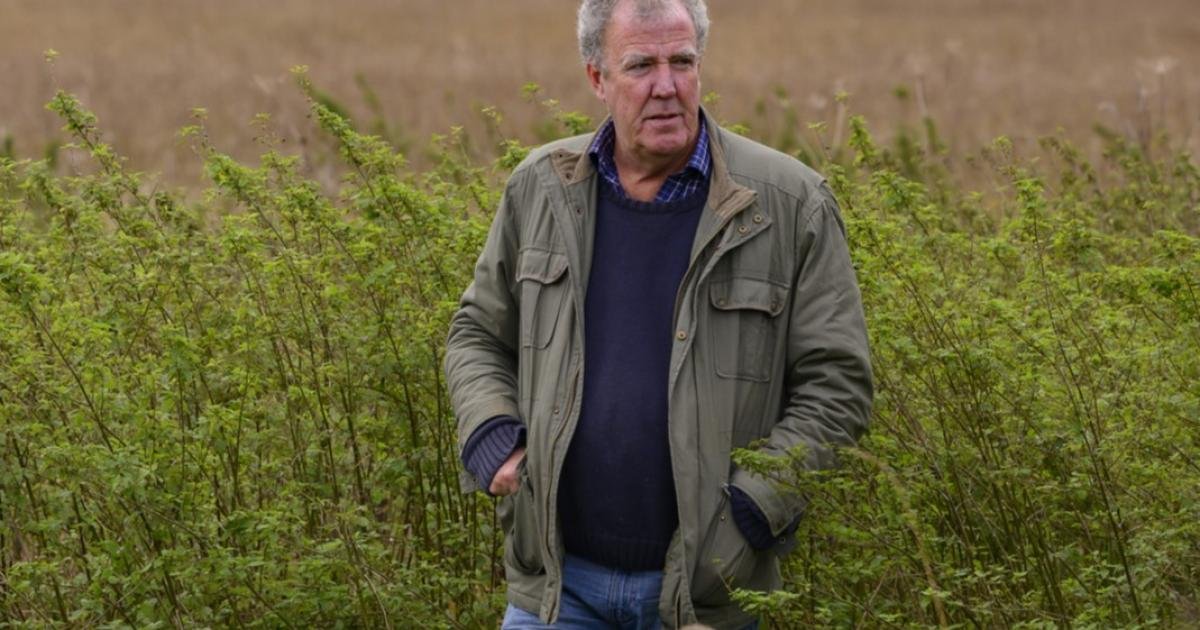
James Peck, 50, farms about 12,500 acres across Cambridgeshire, Bedfordshire, Hertfordshire, and Lincolnshire.
He turned to social media to counter negativity faced by his daughters, aged 13 and 12, who were interested in joining the farming industry.
Initially sceptical about the interest in his farming life, a videographer encouraged him to post videos online.
Peck now shares glimpses of life on his farm twice a week, amassing between 7.5 to eight million views monthly.
His videos span various aspects of his farm, from haulage and grain storage to lettings, house building, and media, highlighting the diversity of his arable farming business.
Peck also credits Jeremy Clarkson’s fly-on-the-wall TV series that documents his Diddly Squat farm as a major influence in launching his own PX Farms social media channels across Facebook, Instagram, TikTok, YouTube and X.
“Originally, when I went to school events and things I was the only farmer there, and it was a bit of a conversation killer,” Peck told the BBC.
“But Clarkson’s Farm came out… and suddenly I had people coming up to me wanting to talk to me about farming.”
The success of his social media venture has not only broadened the appeal of farming but also helped educate the public about the realities of the industry.
James Peck said Clarkson’s Farm gave him something to talk about with other parents (Image: Ed Nix)
Peck often explains the various ways his farm operates, offering insights into the inner workings of modern farming.
On Wednesday, he explained how he had to go out with the combine harvesters at 06:00 BST to pick beans before the sun affected the harvesting.
If the vehicles went out later in the day, the beans would split too easily from the dried out pods and end up on the ground instead of inside the machine.
Peck said the extreme heat could mean that half of the potential crop yield would be spoiled if he did not change the harvest time.
Despite his initial reluctance to share his farming life online, Peck now believes it was the right decision.
He said each video normally received about 1,400 social media comments and he’d received a total of only 12 “really negative” ones over the two years.
“I was very nervous about doing this because of the negativity aspect, but I really want the industry to do well and want new people to come in,” he said.
“I want to show it is a vibrant, exciting thing.”
Peck’s online presence has not only helped dispel negativity about farming but also inspired his daughters and others, showing them the vibrant and evolving nature of the industry.
Tshuma murders: Bodies of mother and two daughters return to Zimbabwe for burial
The bodies of Nothabo Zandile Tshuma and her two daughters, Natalie and Nala, are being repatriated to ZimbabweThe trio were found dead in Bedfordshire in early July 2026, with authorities confirming that they were murderedNdodana Mkhanyisi Tshuma was arrested in Johannesburg after he fled the United Kingdom following the murdersThe bodies of Zandile, Natalie and Nala Tshuma, who were murdered in the UK, will return to Zimbabwe for burial. Image: @S_Fleary1Source: TwitterByron Pillay, a Briefly News journalist, has dedicated a decade to reporting on the South African political landscape, crime, and social issues. He worked as a newspaper journalist for 10 years before transitioning to online.ZIMBABWE — The bodies of Nothabo Zandile Tshuma (42) and her two daughters, Natalie (15) and Nala (5), are being flown back to Zimbabwe.Family members of the deceased confirmed that the bodies will touch down in Bulawayo on Sunday, 2 August 2026, after which they will be transferred to a funeral parlour. A church service will precede a joint burial on Tuesday, 4 August 2026Read alsoSouth African family rejects Russia’s offer to bury Gauteng man killed during military operationBodies discovered in Bedfordshire homeThe bodies of the mother and her two daughters were found at their home in Bedfordshire, England, in early July 2026, having suffered blunt force trauma. The prime suspect in the murder is Ndodana Mkhanyisi Tshuma, the husband and father of the victims. The British-Zimbabwean, also known as Mark, fled the United Kingdom shortly after the killings. An international search was launched by Interpol, and he was subsequently arrested in Johannesburg, South Africa.Tshuma was also found with a firearm and now faces charges of possessing an unlicensed firearm. He remains in South African custody while extradition proceedings are underway to return him to the United Kingdom, where he faces three counts of murder.No date has been set for the extradition as legal proceedings in South Africa are ongoing. Source: Briefly News
Police release image in search for information on Leighton Buzzard sexual assault
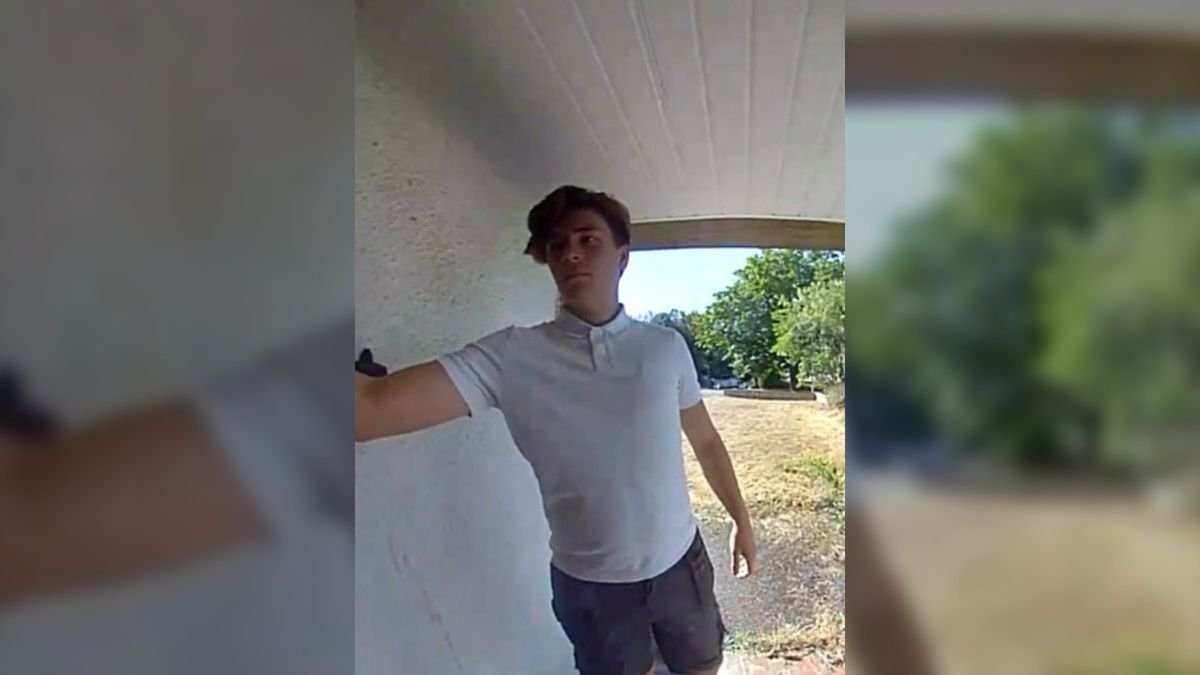
Officers seek help to identify man linked to April incidentAuthor: Charlotte BarberPublished 17 minutes agoBedfordshire Police have released an image of a man as part of their ongoing investigation into a sexual assault in Leighton Buzzard.The incident occurred between 4.30pm and 5.30pm on Monday, 27th April. Officers believe the man pictured may have crucial information that could assist their enquiries. Detective Constable East stressed the importance of identifying the individual: “We are keen to identify this individual as we believe he has key information relating to this incident. I would urge anyone who recognises him to come forward.” The police are asking anyone with information to report online or call 101, quoting reference number 40/23198/26. Community involvement is vital to the progress of such investigations, and authorities appreciate any assistance. Hear all the latest news from across the UK on the hour, every hour, on Greatest Hits Radio on DAB, smartspeaker, at greatesthitsradio.co.uk, and on the Rayo app.

Man Facing Murder Charges For Killing Wife Nothabo Zandile Tshuma & Their Two Daughters
Source: Photo courtesy of the Bedfordshire Police Department / Nothabo Zandile Tshuma, 42, and her daughters, Natalie, 15, and Nala, 5.South African authorities have arrested 45-year-old Ndodana Mkhanyisi Tshuma in connection to the death of his wife and two daughters, according to reports from BBC, People and Bedfordshire Police.Ndodana Mkhanyisi Tshuma arrested: What happened?According to the BBC, the case’s opening court hearing took place on July 28 in Britain, where prosecutors outlined how the three victims were allegedly killed by Ndodana Mkhanyisi Tshuma and how their bodies were discovered inside a home in Great Denham, a village in Bedfordshire, England, on July 7.An inquest into the deaths of Tshuma’s wife, Nothabo Zandile Tshuma, and their two daughters was formally opened and adjourned by Coroner Emma Whitting during a hearing in Ampthill, Bedfordshire, on Tuesday.According to statements read by the coroner’s officers, Nothabo died from “head injuries,” while her daughters’ causes of death were each recorded as “blunt force head injuries.” The inquest was adjourned, with a future hearing date yet to be determined.
Prosecutors believe Tshuma killed his wife Nothabo Zandile Tshuma and their two daughters.Prosecutors allege Tshuma killed his 42-year-old wife and their daughters, Natalie, 15, and Nala, 5, before fleeing to South Africa, where he was arrested earlier this month. UK prosecutors have since authorized three murder charges against him.The BBC reported that concern was first raised by Nothabo’s cousin, who contacted police after being unable to reach Nothabo or her daughters for several days. The cousin told officers she normally spoke with Nothabo every day but had not heard from her in several days.
RELATED CONTENT: 2 Young Sisters Found Buried In Suitcases—Their Mother, Aliyah Henderson, Now Faces Murder ChargesInvestigators also learned the children had not attended school, and an initial welfare check at an associated address found the property unoccupied. Officers later went to the family’s home on Carnoustie Drive in the early hours of July 7, where they discovered the bodies.
In a July 9 news release, Bedfordshire Police confirmed that the mother and her two daughters were found dead together inside the home. The force also shared a statement from the family, who thanked the local community for its support during the ongoing investigation.Family members and the community are mourning the loss of Nothabo Zandile Tshuma and her daughters.In the press release, a family member expressed deep sorrow over the loss, stating:“The Khumalo family is deeply saddened to confirm the passing of our beloved Zandile (Nothabo) Khumalo and her two children. During this time of unimaginable loss, we wish to express our heartfelt gratitude to everyone who has reached out with prayers, messages of comfort, and support. Your kindness and compassion have brought great strength to our family,” they continued. “As the circumstances surrounding their passing remain the subject of an official investigation, we are unable to comment further at this stage. We are also awaiting guidance from the relevant authorities before confirming funeral and memorial arrangements.”They added in part,“We kindly request that the media and members of the public respect our family’s privacy during this profoundly difficult time and refrain from sharing or circulating unverified information or speculation. The Khumalo family sincerely appreciates the continued love, prayers, and support shown by family, friends, and the wider community.”The schools attended by Natalie and Nala also paid tribute to the two girls.Mrs. Gemma Gibson, Headmistress of Bedford Girls’ School, remembered Natalie, saying:“Natalie was a bright and accomplished Year 10 student who was dearly loved by everyone at Bedford Girls’ School. She was a talented dancer, musician and keen sportswoman. She was fun loving, full of life and had a positive impact on everyone she came into contact with; she will be remembered with warmth and affection. Her tragic death, together with that of her loving mother and younger sister, who were also well known to many of us, is a hugely devastating shock to all at Bedford Girls’ School and the wider Harpur Trust group of schools. Our thoughts and prayers are with Natalie’s wider family, friends and all of those impacted by this terrible news.”Jo Webster, headteacher of Pilgrims Pre Prep School, also honored Nala, saying:“Nala was a much-loved member of our school community who brought joy to those around her every day. Many of our staff had known her since she was seven months old and had the privilege of watching her grow. Known for her inquisitive and bubbly nature, positivity and wonderful sense of humour, she was a little ray of sunshine. Whether wearing one of her favourite colourful hair accessories, making those around her laugh or taking centre stage in our Pre-School Nativity, Nala brought warmth and happiness wherever she went. She had an extraordinary impact on our community and will be remembered with enormous love and affection. Our thoughts and deepest condolences are with Nala’s family, friends and everyone affected by this heart-breaking loss.”