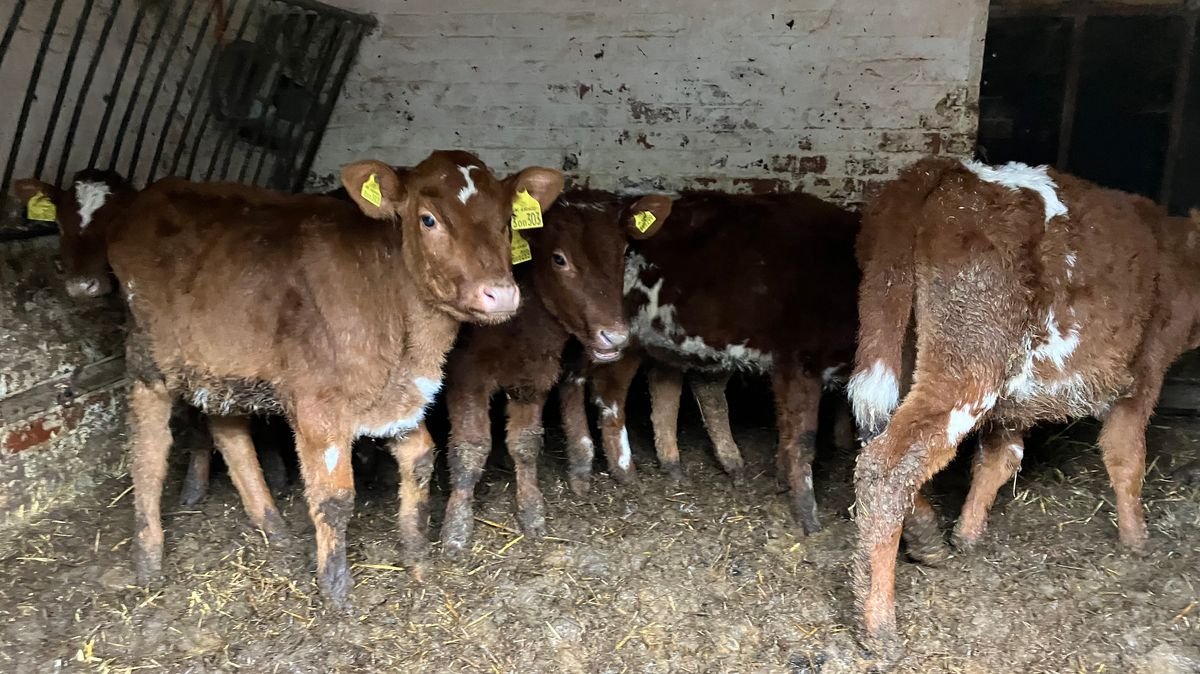
A Staffordshire livestock farmer has narrowly avoided immediate incarceration after local trading standards inspectors executed an unannounced raid, discovering dozens of cattle rotting or severely emaciated across a desolate agricultural holding in the English Midlands.Thirty-year-old Jennifer Bennett was handed a stringent suspended sentence and a comprehensive decade-long ban from keeping animals by the Newcastle Magistrates’ Court following one of the region’s most disturbing agricultural welfare interventions in recent history. The severe judicial sanctions underscore the uncompromising enforcement of European-aligned agricultural standards in the United Kingdom—a rigid regulatory baseline that is increasingly critical for East African nations like Kenya, which are actively seeking to export commercial dairy and beef products to lucrative, highly regulated international markets.A Grim Discovery in StaffordshireThe horrifying scale of the neglect was officially exposed during a raid executed by the Staffordshire County Council’s Trading Standards Animal Health Team on March 25 of last year. Acting on vital intelligence, inspectors descended upon the farm located at Brookside View, Hodge Lane, in the rural district of Birchcross, Uttoxeter.Upon breaching the perimeter, veterinary officers were met with scenes of profound suffering. The investigation documented a herd of nearly 100 cattle subjected to catastrophic deprivation. Inspectors found numerous dead animals left to decompose in situ, posing severe biohazard risks. Surviving cattle were found in advanced states of emaciation, with many lacking the physical strength to stand or move. Investigators meticulously recorded that the herd had been systematically denied adequate access to basic life-sustaining resources, including clean drinking water and foundational nutritional forage.Furthermore, vulnerable newborn calves were discovered housed in exceptionally filthy, disease-ridden conditions that flagrantly violated baseline animal husbandry protocols. To prevent further agony, local authorities immediately seized the surviving herd. While many animals received emergency, extensive veterinary rehabilitation at significant public expense, several were in such irreversible distress that attending veterinarians were forced to euthanize them on-site to end their suffering.Judicial Sanctions and Regulatory EnforcementDuring the sentencing hearing on Thursday, July 30, the Newcastle Magistrates’ Court delivered a scathing assessment of the operations at Brookside View. District Judge O’Connor held Jennifer Bennett fully legally culpable for the catastrophe.”Jennifer Bennett is the person responsible for the welfare of the animals as the legal owner and there was a significant period of neglect which led to disease and death,” the presiding judge stated, utterly rejecting any defense of ignorance or temporary hardship.Custodial Sentence: Bennett received a 14-week prison sentence, suspended, saving her from immediate incarceration but placing her under intense judicial probation.Community Service and Fines: She was ordered to complete 12 months of community service, pay £1,000 (approximately KES 165,000) in prosecution costs, and submit a £154 victim surcharge.Decade-Long Ban: Crucially, the court imposed a strict ten-year disqualification order, completely banning Bennett from owning, keeping, or participating in the husbandry of any animals until 2036.The legal reckoning remains incomplete. Authorities confirmed that the investigation also exposed suspected severe breaches of strict cattle identification laws and the highly regulated disposal of animal by-products. Bennett’s father, Alan Bennett, who was identified as bearing day-to-day operational responsibility for the doomed herd, is currently awaiting separate criminal sentencing at the Stafford Crown Court.The Agricultural Supply Chain CrisisAnthony Screen, the Cabinet Member for Community Safety and Resilience at Staffordshire County Council, categorized the intervention as an incredibly distressing episode for veteran inspectors. “We take animal welfare extremely seriously and will not hesitate to pursue robust enforcement action where standards fall below the law,” Screen warned the wider agricultural community.The Uttoxeter case highlights the immense, often invisible pressures fracturing the lower tiers of the agricultural supply chain. Spiraling costs of commercial feed, veterinary medicines, and systemic labor shortages have driven some marginalized farmers to abandon baseline welfare protocols. However, the UK’s Department for Environment, Food & Rural Affairs (DEFRA) maintains absolute zero tolerance for starvation and neglect, viewing such failures not merely as animal cruelty, but as direct threats to national biosecurity and the integrity of the human food chain.Implications for Global Livestock StandardsThe severe legal consequences unleashed in Staffordshire offer a vital case study for the global agricultural export sector, particularly in East Africa. The Republic of Kenya, leveraging the regulatory power of the Kenya Dairy Board (KDB) and the Directorate of Veterinary Services, is heavily pushing to expand its livestock export footprint into the European Union and the post-Brexit United Kingdom.To access these premium markets, Kenyan ranchers and commercial abattoirs must guarantee compliance with the exact welfare and traceability standards that Jennifer Bennett so catastrophically violated. The UK’s ruthless prosecution of traceability failures (missing ear tags, undocumented deaths) demonstrates that international markets will instantly reject African exports if systemic welfare blindspots are detected. Kenya’s Prevention of Cruelty to Animals Act (Cap 360) contains provisions for prosecuting neglect, but localized enforcement often lacks the rapid, punitive bite demonstrated by the Staffordshire Trading Standards unit.Ultimately, the tragedy at Brookside View serves as a brutal reminder that modern agricultural economics cannot be sustained through the silent suffering of livestock. The total destruction of a farming legacy and a decade-long professional exile proves that in the highly scrutinized modern food chain, animal welfare is an unassailable legal imperative.
Staffordshire Farmer Escapes Prison After Council Uncovers Mass Cattle Neglect