ARTIFICIAL intelligence has the potential to boost Staffordshire’s economy by £2billion by 2030, county councillors have been told.
The technology is increasingly being used by businesses and organisations to improve productivity and use data more effectively.
Staffordshire County Council says it is now looking at how it supports local enterprises, groups and residents to take advantage.
The authority has produced an artificial intelligence business case, which is due to be considered by cabinet members in September. It was presented to members of the economy, infrastructure and communities overview and scrutiny committee at their latest meeting.
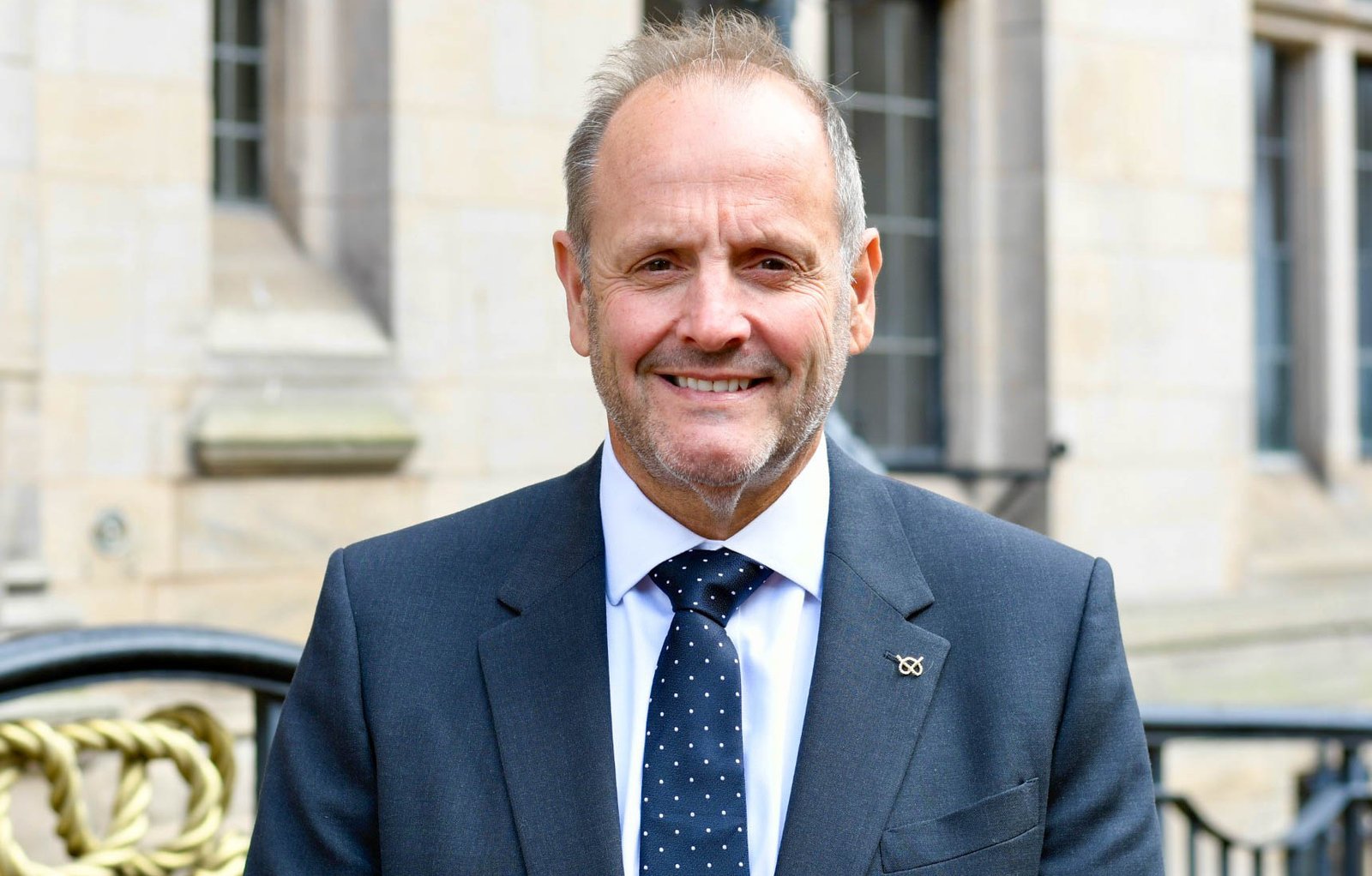
Cllr Robin Hall, cabinet member for economy and skills, said:
“Artificial intelligence is no longer something on the horizon – it is already changing the way businesses operate, the skills employers need and, increasingly, the way economies compete.
“The question for Staffordshire is not whether AI is coming, it’s whether we intend to get ahead of it or spend the next five years trying to catch up.
“The business case identifies a potential economic opportunity of around £2billion for Staffordshire by 2030, but I don’t want us to simply quote a big number and declare victory.
“For me this is about something much more practical – can we help a small manufacturer improve productivity? Can we help a logistics company use data more effectively? Can we give an existing worker the skills they need as their job changes?
“We can make sure Staffordshire businesses aren’t left behind because they lack the time, knowledge or resources of much larger companies. The ambition is for Staffordshire to become the intelligent heart of the country – that’s deliberately ambitious.
“But the proposed approach is not to create a huge new council structure or simply spend money on the latest technology. It is to use the Growth Hub, our business support, our skills systems, our colleges, universities and partners to accelerate responsible AI adoption across the county.
“There are risks around jobs, digital exclusion, cyber security, governance and making sure the benefits aren’t concentrated amongst a small number of businesses or people. But there is also a risk in doing nothing – and my view is that doing nothing is probably the biggest risk of all.”
Cllr Adam Griffiths asked:
“How are we going to do this? Are we going to have an AI we suggest people use or is it just we are helping them to use the AI products that are already out there?”
Cllr Hall responded:
“It won’t be how to use ChatGPT, that’s not what we’re looking at. We’re looking to transform the economy, support business adoption and productivity – it’s a whole range of measures.”
The committee was told the council had already established an AI working group and that the Stoke-on-Trent and Staffordshire Growth Hub, which provides support to local businesses, would act as the “front door” for guidance for those looking to adopt the technology.
The authority is also considering ways to support residents in boosting their skills. A report to the committee said:
“The full business case proposes a three-tier skills framework covering foundational AI literacy, occupational AI capability and specialist leadership skills.
“Potential measures include a virtual AI skills academy, stronger AI-related careers guidance and introductory adult and community learning provision.
“A central principle is supporting growth that benefits the whole of Staffordshire; support should reach young people, unemployed residents, existing workers requiring upskilling and groups at greater risk of digital exclusion or labour market displacement.”
Cllr Simon Tagg said:
“When I speak to businesses – particularly those who run businesses in town centres and retailers – you get the face screwed up when you mention AI or they laugh.
“The engine of the economy is in small businesses, those that employ less than 11 people for example, and you’ve got in there that you need to focus on those.
“We’ve got to realise that they are already using AI in a lot of the things they do for their businesses, whether it’s accounting software, Google Maps, Google Ads or Outlook which has Copilot built in.
“I think it’s getting that message across that they’re already using it and how to take that further to get those efficiencies working better through their existing businesses.
“For a small business, if they embrace as much of the AI as possible, they can not only increase their profit, they can make their business work better, employ people better and help with the stress of employing people, by making some of the things dealing with that run through AI, such as payroll.
“People are either frightened, think it’s funny or think it’s just another fad that will pass – I think it won’t and it’s got to be embraced by businesses to get the benefit out of it and this strategy is going along the right path for that.”
Related articles