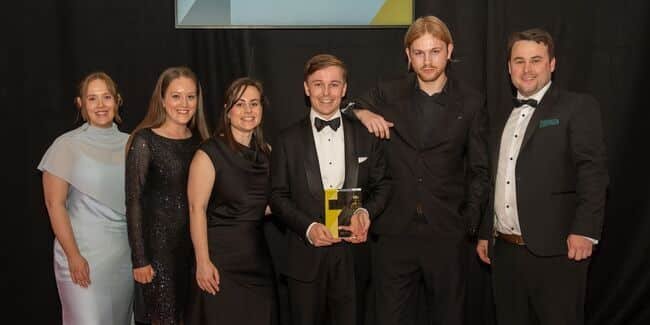
A year of strong business performance has seen Bedford digital agency CRDOne crowned High Growth Business of the Year at the 2026 SME Bedfordshire Business Awards.
The recognition follows a period of sustained expansion for the company, which was also shortlisted for Business of the Year among organisations employing fewer than 50 people. The awards were presented at The Marquee in Bedford on 18 June.
Founded five years ago, CRDOne has grown its team from three members to seven over the past year while increasing its client base to more than 30 businesses across the country. The agency specialises in digital marketing and web design services focused on delivering measurable outcomes.
Its client success stories include helping a local ecommerce company achieve a 45% increase in traffic and revenue, contributing to nearly £1 million in online sales. The agency has also supported Gadget GoGo’s rise within the tech recycling sector and delivered work for automotive manufacturers Renault, Citroën and Genesis.
“This recognition means a lot to our team,” said founder Carl Darnell. “The support and trust of our clients have been the biggest factor behind our growth, and we’re grateful for the long-term relationships we’ve built.”
The agency has also remained active within the business community, recently supporting an event at the Red Bull Technology Campus in Milton Keynes attended by more than 50 entrepreneurs and business owners.
The High Growth Business award reflects CRDOne’s achievements in expanding its team, increasing revenue, retaining clients and contributing to local business development.
“We’re still focused on the same goal,” Carl said. “Helping business owners understand marketing and use it to grow their companies more effectively.”
CRDOne continues to partner with ambitious businesses across Bedfordshire and beyond, helping them turn marketing investment into tangible commercial success.
Category: Bedford

CRDOne Earns Top High Growth Honour at 2026 Bedfordshire Business Awards

Bedford train crash update with 53 in hospital and eight in critical condition
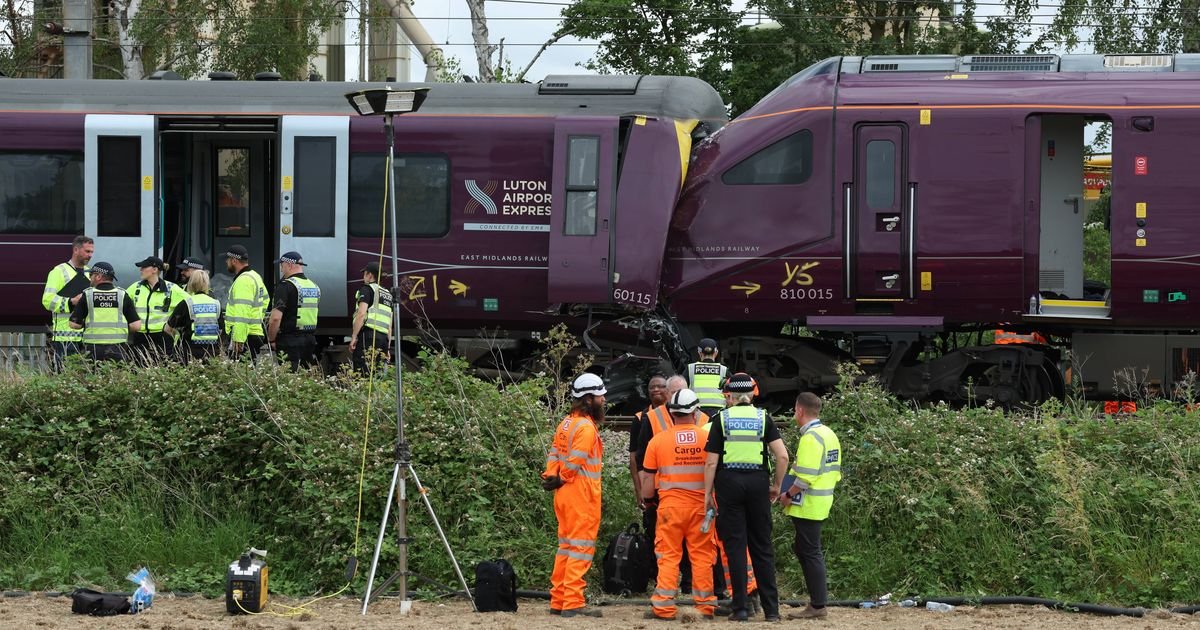
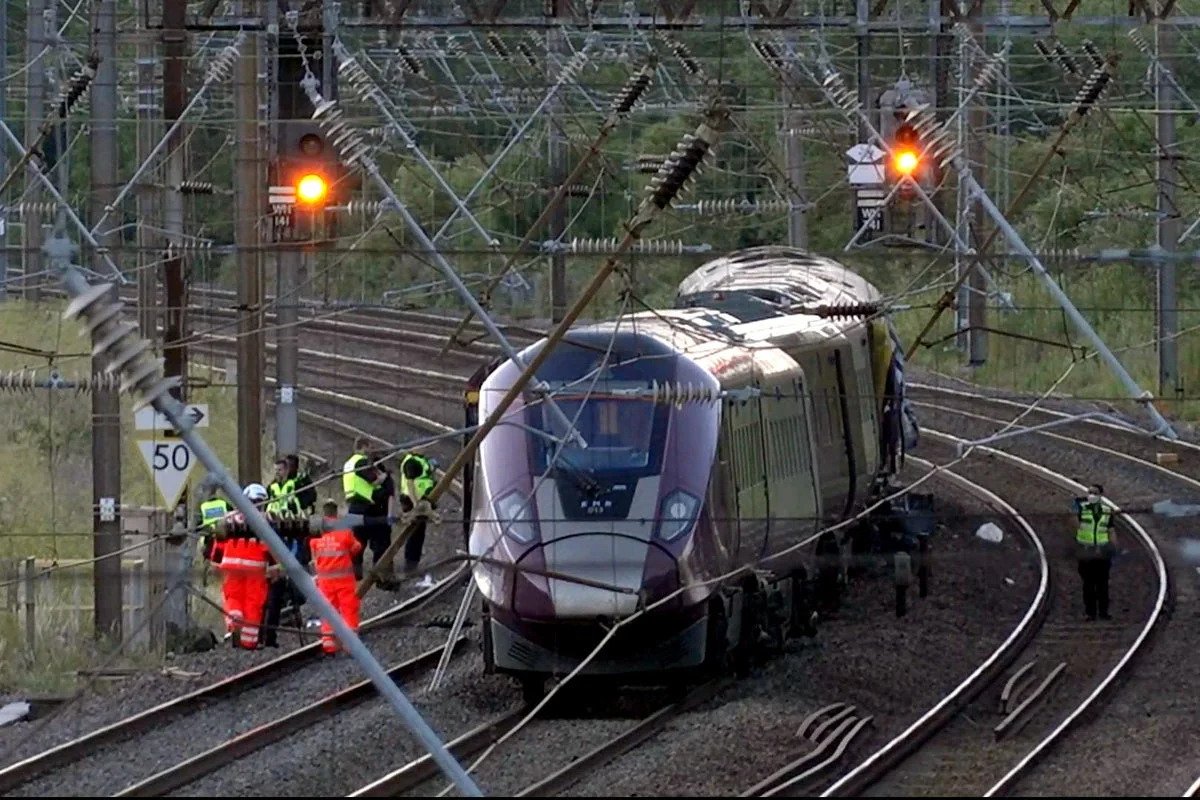
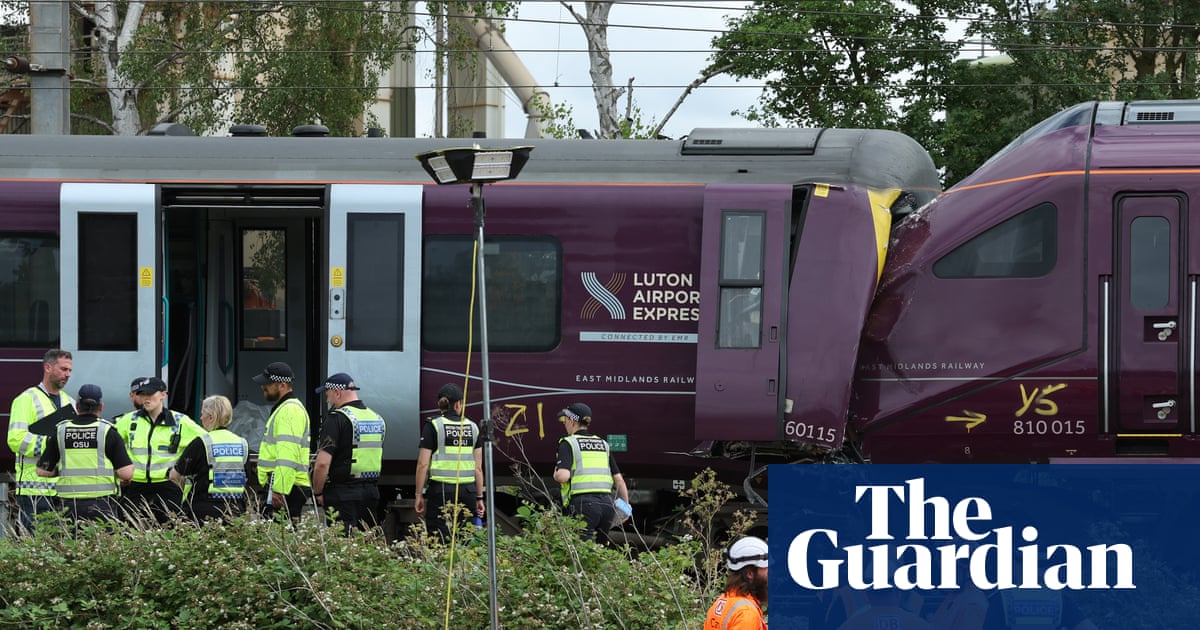
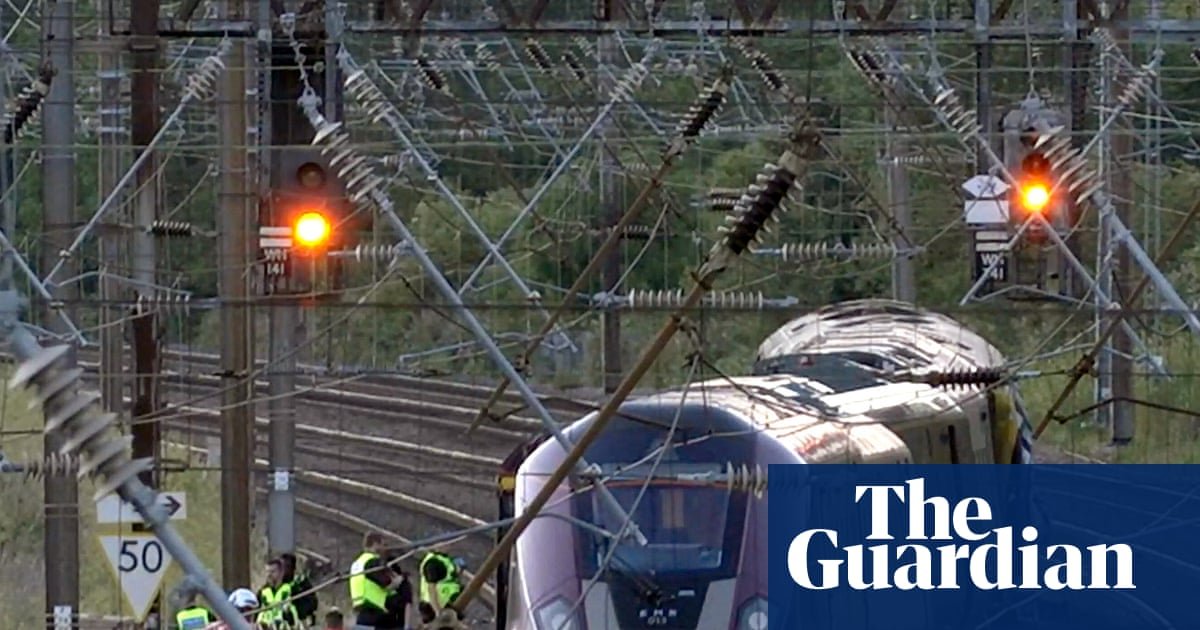
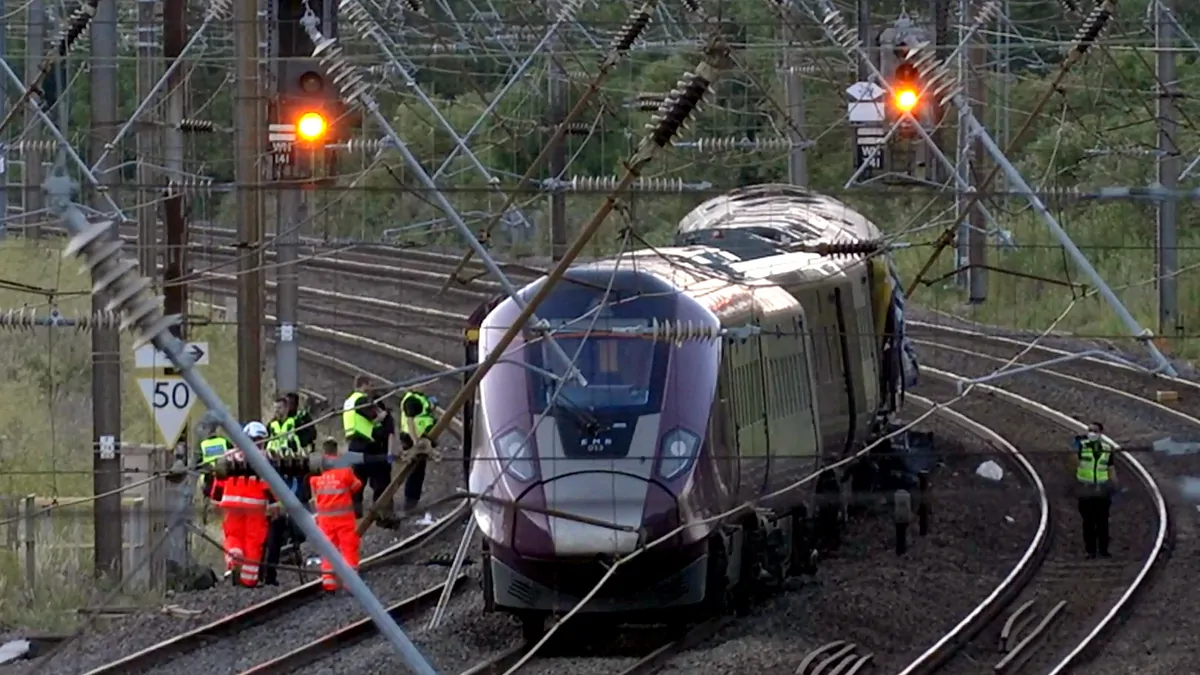
Eight individuals are battling for survival in hospital following a train collision in Bedfordshire. Over 100 casualties were admitted to hospital and a major incident was declared on Friday (June 19) after two locomotives collided near Elstow in Bedfordshire.Emergency services were alerted shortly after 5.15pm to reports that two East Midlands Railway trains had crashed. Personnel from the British Transport Police (BTP), Bedfordshire Police, National Police Air Service alongside local firefighters and paramedics rushed to the scene.
The BTP confirmed this evening that 53 individuals were still receiving hospital treatment on Monday, with eight in a critical state. Authorities acknowledge this figure is “likely to continue to change” as the situation develops.
READ MORE: {{title}}
Train driver Shaun Burton, 60, perished in the collision. Through police, his relatives expressed: “We are devastated by his loss. Our thoughts are also with those affected by this incident.”
Dave Calfe, general secretary of train driver union Aslef, told the BBC: “We are all heartbroken by the death of Shaun Burton, which leaves a hole in the lives of his family, friends and colleagues that will never be filled.”100 people were hospitalised following the crash(Image: Jamie Lashmar/PA)
Deputy Chief Constable Stuart Cundy, from the BTP, said: “First and foremost, the thoughts of everyone at BTP are with the driver Shaun Burton’s family and colleagues, and all those injured and affected by the collision on Friday.”
Dep Ch Const Cundy went on to state that the investigation is being treated as a “priority” for the BTP, with the senior investigating officer collaborating closely with the Rail Accident Investigation Branch to determine what occurred. He confirmed that personal belongings have been retrieved from the trains.
Emergency services were called to the scene on Friday(Image: PA Wire/PA Images)
The officer added: “Friday evening witnessed an awful incident that presented complexities and challenges for all those who responded. I have been humbled by the actions of passengers and staff who were on the trains, and by the professionalism of our officers, the wider emergency services and partners.
“The recovery operation is now underway, and work continues this week to remove the damaged trains and carriages and allow the railway to reopen.”
Anyone affected by the incident is urged to get in touch with the BTP.
Ensure our latest stories always appear at the top of your Google Search by making us a Preferred Source. Click here to activate or add us as your Preferred Source in your Google search settings.

National Windrush Day 2026 – Bedfordshire Hospitals NHS Trust
Today is National Windrush Day, celebrating the contribution Caribbean migrants and their families have made to the UK.
Elaina Ible was one of the first five black nurses to work at the Luton & Dunstable University Hospital (L&D). She travelled from the Caribbean to Luton in 1960 where she began training as a student nurse.
Elaina said: “I qualified as a State Registered Nurse then a State Certified Midwife between 1960 and 1966. I worked part-time as a staff nurse after having children until I retired in 1999. I learnt a lot, made some lifelong friendships and I’m still in contact with some of them now.
“I have always seen myself as British and part of the commonwealth. My experience was different than others in that I always felt welcome and didn’t really experience any prejudices. St Kitts-Nevis became partly independent in 1983 and I remain proud of my heritage.”
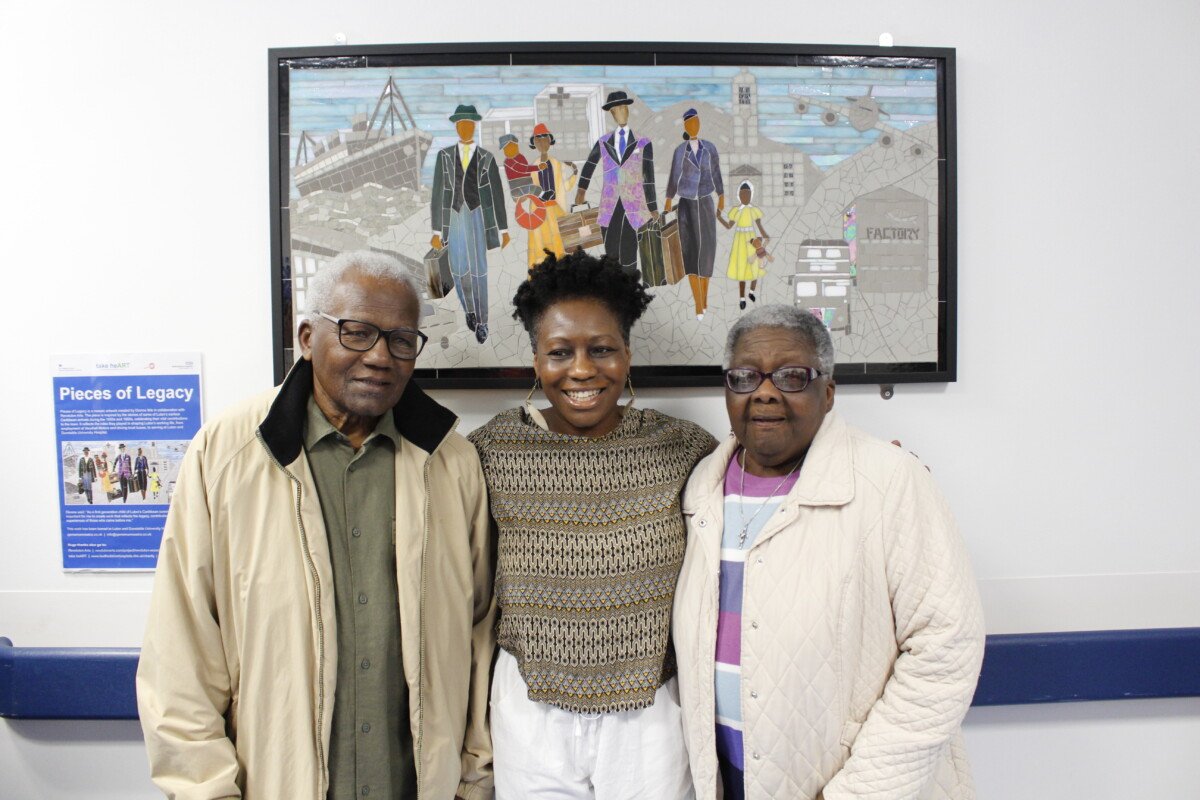
Elaina’s daughter, Dionne Ible, created a mosaic to honour the Windrush Generation and the Caribbean families whose hard work, resilience and determination helped shape Luton. Each piece of the mosaic represents an individual story, coming together to form a collective legacy that continues to enrich the town today.
The artwork has been loaned to the L&D and is currently on display on the first floor of the Surgical Block.
Dionne said: “As a first generation child of Luton’s Caribbean community, it was important for me to create work that reflects the legacy, contribution and lived experiences of those who came before me.
“Despite facing discrimination and many challenges, the Windrush Generation helped build communities, raise families and create opportunities for future generations. Pieces of Legacy celebrates their achievements and honours the enduring impact they have had on Luton, reminding us that every contribution, no matter how small, forms part of our shared history.”
(Left to right) Cyril Ible, Dionne Ible and Elaina Ible
Pieces of Legacy artworkBedford train crash passenger ‘angry’ after horror collision – AOL
Sat, June 20, 2026 at 8:23 AM UTCBedford train crash passenger ‘angry’ after horror collisionA passenger on board one of the two trains that collided south of Bedford on Friday afternoon (19 June) said he was feeling “angry” the morning after the crash.Brett Byatt, a teacher who lives in Bedford and was unharmed in the crash, told BBC Radio 4’s Today programme on Saturday: “Yesterday I was pretty shocked. This morning it feels surreal, and I think I’ve moved into the stage of anger now.”I don’t know at whom, who specifically, but it’s more about we’ve got one of the oldest railway networks and signal failures happen a lot, and now I’m just wondering… why wasn’t that signalled to my train and why did that train driver lose his life over this?”A train driver died and more than 80 people were injured after the collision. Investigations are set to begin into the cause of the crash, after one train collided into the back of a stationary train on the same line shortly after 5pm.

Shock and fear in Bedfordshire village after fatal train crash
In a quiet Bedfordshire village just south of Bedford, an ordinary Friday evening turned into a scene of chaos and disbelief as the fatal collision of two London-bound trains sent sirens, helicopters and emergency crews flooding into the surrounding fields.
Get the latest news straight to your inbox!
The collision on the Midland Main Line near Bedford on Friday 19 June has left one train driver dead and around 100 people injured, including several in critical condition, according to widely reported figures from police and ambulance services. What began as an afternoon rush-hour journey for commuters and families quickly became one of the most serious rail incidents in the region in decades.The crash involved two East Midlands Railway services running south towards London St Pancras, one from Nottingham and another from Corby. Publicly available information indicates that the trains collided at about 17:15 local time on a stretch of track bordered not by city streets, but by farmland, hedgerows and small villages on the southern approaches to Bedford.For residents in the nearest Bedfordshire village, the first sign that something was wrong was the unusual pattern of noise. People reported hearing a deep metallic thud followed by an eerie pause, then a rising swell of sirens as emergency vehicles converged on narrow country lanes that are more accustomed to tractors than to lines of ambulances and fire engines.Within minutes, air ambulances were circling overhead, their searchlights sweeping across houses, gardens and fields. From upstairs windows and village greens, locals watched as blue lights clustered along the railway embankment, realising that whatever had happened on the line was far beyond the scale of a routine breakdown.‘There was panic’ as residents faced an unfolding disasterAccounts gathered in British media coverage describe a village gripped by a mix of shock and confusion as the gravity of the crash became clear. Parents hurried children indoors, local WhatsApp and community groups lit up with speculation, and residents debated whether to head towards the tracks to offer help or to stay back to avoid getting in the way.Some people living closest to the railway reported a sudden rush of activity outside their homes as emergency responders established cordons and moved equipment towards the line. Garden gates and field entrances became informal staging points, with vehicles squeezing into farm tracks and verges in an effort to get closer to the carriages.From vantage points near the railway, villagers saw passengers being led away from the site, many described in news reports as dazed, bloodied or wrapped in foil blankets as they were taken to collection points and buses. The contrast with the stillness of the surrounding countryside was striking, as a normally quiet corner of Bedfordshire took on the atmosphere of an urban disaster zone.For many, the most disturbing element was the soundscape. Helicopter rotors, distant shouts, the continual wail of sirens and the intermittent movement of heavy vehicles along the darkening lanes reinforced the sense that the village had suddenly found itself on the frontline of a national news event.Emergency response reshapes daily life in the villageAs the scale of the collision became clearer overnight, the rural road network around the village was transformed. Publicly available information shows that local roads were closed, diversions were put in place and a large exclusion zone was set up around the crash site. For residents, routine trips to shops, schools and workplaces turned into lengthy detours past police tape and media satellite vans.Reports indicate that some community spaces, including village halls and car parks, were repurposed as temporary coordination points or rest areas for responders and displaced passengers. The usually familiar sight of dog walkers and cyclists was replaced by fluorescent jackets, mobile lighting rigs and logistical vehicles moving equipment to and from the railway.Rail disruption added another layer of upheaval. Services on the crucial Bedford to London St Pancras corridor were suspended through the weekend, leaving many local commuters and weekend travellers searching for last-minute alternatives. Replacement buses, crowded platforms at nearby stations and long delays reshaped journeys across Bedfordshire and into the capital.For small businesses and hospitality venues in the area that depend on rail-linked custom, the sudden loss of normal services, combined with access restrictions on surrounding roads, created immediate uncertainty about trade over the critical days following the crash.Investigation focuses attention on rail safety and infrastructureAs emergency operations shifted into the investigation phase, the field of wreckage near the village became a tightly controlled worksite. Network Rail engineers and specialist teams have been assessing damage to tracks, signalling equipment and overhead lines while cranes and heavy machinery stand by for the complex task of removing the trains.The Rail Accident Investigation Branch has opened a formal inquiry into how two modern passenger services came to collide on a mainline that is usually regarded as one of the country’s key arteries. According to published coverage, investigators are expected to examine signalling data, on-board event recorders, braking performance and the sequence of train movements in the minutes before impact.National reporting has highlighted that previous safety reforms and technology have made collisions between passenger trains in Britain relatively rare. The circumstances outside Bedford are therefore likely to attract intense scrutiny from rail professionals, unions and policy makers, especially around whether existing protections on this stretch of line were sufficient for the volume and speed of traffic it carries.For the nearby village, the investigation means an extended period of disruption. The presence of specialist vehicles, lighting towers and security personnel, along with the continuing closure of sections of the line and adjacent paths, serves as a daily reminder of the crash and its consequences.Lingering trauma and resilience in a village changed overnightBeyond the visible disruption, the psychological impact on the local community is becoming increasingly evident. Residents have described to national news outlets how children struggled to sleep after the incident, unsettled by the unfamiliar nocturnal noise and images of damaged carriages on television and social media.Those who live closest to the tracks face the challenge of reconciling the everyday presence of the railway, long regarded as a neutral backdrop to village life, with the knowledge that a fatal collision unfolded just beyond their gardens and fields. For some, the sound of passing trains is likely to feel different in the weeks and months ahead.At the same time, there are early signs of the communal solidarity that often follows major incidents. Reports suggest that local residents offered refreshments, phone chargers and quiet spaces to stranded passengers and off-duty staff, while neighbouring communities in Bedford and surrounding villages coordinated lifts and spare rooms for those unable to continue their journeys.As the line remains partially closed and formal inquiries begin, the Bedfordshire village beside the crash site is trying to resume its rhythms under the shadow of a tragedy that arrived without warning on an otherwise unremarkable June evening.
‘There was panic’: shock and horror in the Bedfordshire village next to the train crash
The weekend in Elstow usually sees jolly locals romping around the quaint, picturesque village walking their dogs or enjoying a pint at the pub. But on Saturday afternoon, the mood was more sombre.“It’s horrible isn’t it. I hope everyone is all right,” said Nando DiGennaro. “It’s just a one out of a million thing.” The 45-year-old HGV driver is referring to the train crash nearby on Friday that has left the storybook Bedfordshire village, with its Tudor houses and lush, stony gardens, reeling. He said air ambulances hovered above the area into the evening as the scale of the tragedy became clear.Taxi drivers told the Guardian they had driven stranded passengers all the way to London as they scrambled to return home.From those onboard when the trains collided, stories emerged of the sheer shock and terror they faced. Brett Byatt, a teacher from Bedford who was on one of the trains, told the BBC’s Today programme he saw most people on his full carriage “bleeding profusely, or a situation where they couldn’t stand, or they couldn’t move their neck, and I saw a woman snap her leg”.The Salvation Army sent a food lorry to the Elstow area after the collision. Photograph: Chris Radburn/PAAnother passenger onboard one of the struck trains, Dr Peter Knapp, said: “Suddenly there was an impact. I thought it was a bomb, I saw a lot of smoke and people on the floor, bloodied faces. A lot of people crying and screaming. In a video posted on social media, passengers can be seen bloodied and screaming shortly after the impact. “I managed to open the doors and squeeze out. I was in quite a lot of shock, my glasses had fallen off. We were in the middle of nowhere in a field,” Knapp said.The crash between EMR services between St Pancras and Corby and St Pancras and Nottingham has left one train driver dead and nine people in a critical condition. In total 100 people were injured.One Elstow local, who did not want to be named, was in the car with her daughter near the crash site when it became clear “something devastating” had happened. “I witnessed emergency services flying around and you could sense there was panic,” she said. “The sense of worry and anxiety of knowing something dreadful had happened was unnerving in itself.”She said some of her neighbours were on that train. “Some really good friends of mine were on that train and have got significant injuries,” she said, including one with a head injury. Another friend onboard ran out of battery on her phone. “Her husband couldn’t find her until 4am. For him, it must have been tragic not knowing what happened to her.”Elstow high street. Residents of the Bedfordshire village said the mood was ‘sombre’ after the crash. Photograph: Marcus Hill/Getty ImagesThe woman said her friend’s son had full view of the crash site from his house. “There was loads of people throwing out water and food over the fence. They did everything they could to try and help those people,” she said.Her daughter, like many other people in the village, regularly uses the EMR service. “There’s a sombre mood in the village. Everyone’s feeling emotional,” she said.Another villager, who did not want to be named, was on an EMR train back from London after watching Les Miserables. He knew something was amiss when “one of my party started getting texts saying: ‘Are you OK?’”. Not long after, they all began receiving similar messages.“It’s a commuter town and so many people use those trains. Even though it was commuter time thankfully it was a Friday,” he said. Nevertheless, he was concerned because “there was a Harry Styles concert and a lot of people from Bedford were going to that”.He thinks the impact of the crash will be felt throughout the village and the wider area. “Our kids go to the local Bedford school. It’s inevitable that some people connected with the schools will have been impacted,” he said.“It’s the classic shock of ‘it doesn’t happen to us’,” he said. “The trains are such a big part of local life. It makes everybody realise it could have been them or their children.”
Emergency services attend to injured after two trains collide near Bedford – video
Emergency services rushed to the scene of a collision on Friday between two trains north of London. A train driver died and 89 people were injured after two East Midlands railway services collided in the Bedford area. Members of the public were told to stay away from local hospital emergency departments on Friday night unless they were suffering from a genuine emergency‘Blood everywhere’: Horror as two trains collide, one dead
One person is dead and at least 11 are seriously injured after a horror train accident.About 5.15pm local time, two trains collided in Bedfordshire, east of London, British Transport Police said.“We know that a number of people have been injured and one person has very sadly died,” a spokesperson said in a statement.Sign up to The Nightly’s newsletters.Get the first look at the digital newspaper, curated daily stories and breaking headlines delivered to your inbox.By continuing you agree to our Terms and Privacy Policy.“A major incident has been declared, and officers are continuing to respond at the scene alongside colleagues from Bedfordshire Police and the local Fire and Rescue and Ambulance Services.“The collision involved two East Midlands Railway trains.”The BBC reported that the crash injured 89 people; 11 of those are very seriously injured, 22 seriously injured, and 56 have minor injuries.It is understood the trains were both travelling to London St Pancras Station, one from Corby and another from Nottingham.A witness told the BBC there was “blood everywhere”.“We left Bedford station and there was a massive bang… I didn’t know what was going on; my head hit the seat in front of me,” Teresa Itabor said.“I opened my eyes and that’s when I saw people on the floor with blood everywhere.“We really didn’t know what was happening for a long time.”She said the carriage doors became jammed during the incident.At least one person is dead and more than 80 have been injured. Credit: Brook Mitchell/Getty ImagesAnother witness, Shola Mene, said it did not feel like the trains were travelling fast at the time of the crash.“It was like a big bang,” she said.“Then people flew from their seats, the seats were pulling, and then someone just flew across and hit my husband in the face.“There was a lot of blood. A lot of people had facial injuries.”The East of England Ambulance Service said that more than 20 ambulances, specialist response teams, and six air ambulances were dispatched.The two nearest hospitals, Bedford Hospital and Luton & Dunstable University Hospital asked the public to avoid the emergency department “unless they (had) a genuine emergency”.UK Prime Minister Keir Starmer offered his condolences to those involved.“Hugely concerning reports of a collision involving two passenger trains near Bedford,” he wrote on X.“First and foremost, my thoughts are with the family of the person who has sadly lost their life, and with those who have been seriously injured.“I am grateful to the emergency services for their swift response to this tragic incident.”Deputy Chief Constable Stuart Cundy said an investigation was underway into what caused the crash and that officers remained on scene.“We’ve declared a major incident and a significant emergency service response is ongoing,” he said.“We’re working at pace to establish exactly what’s happened and will provide further information as soon as we are able to.”All train lines between Bedford and Luton remain closed, with train company Thameslink urging customers to avoid travelling.

EEAST ‘highest‑performing ambulance trust in England for heart attack care’
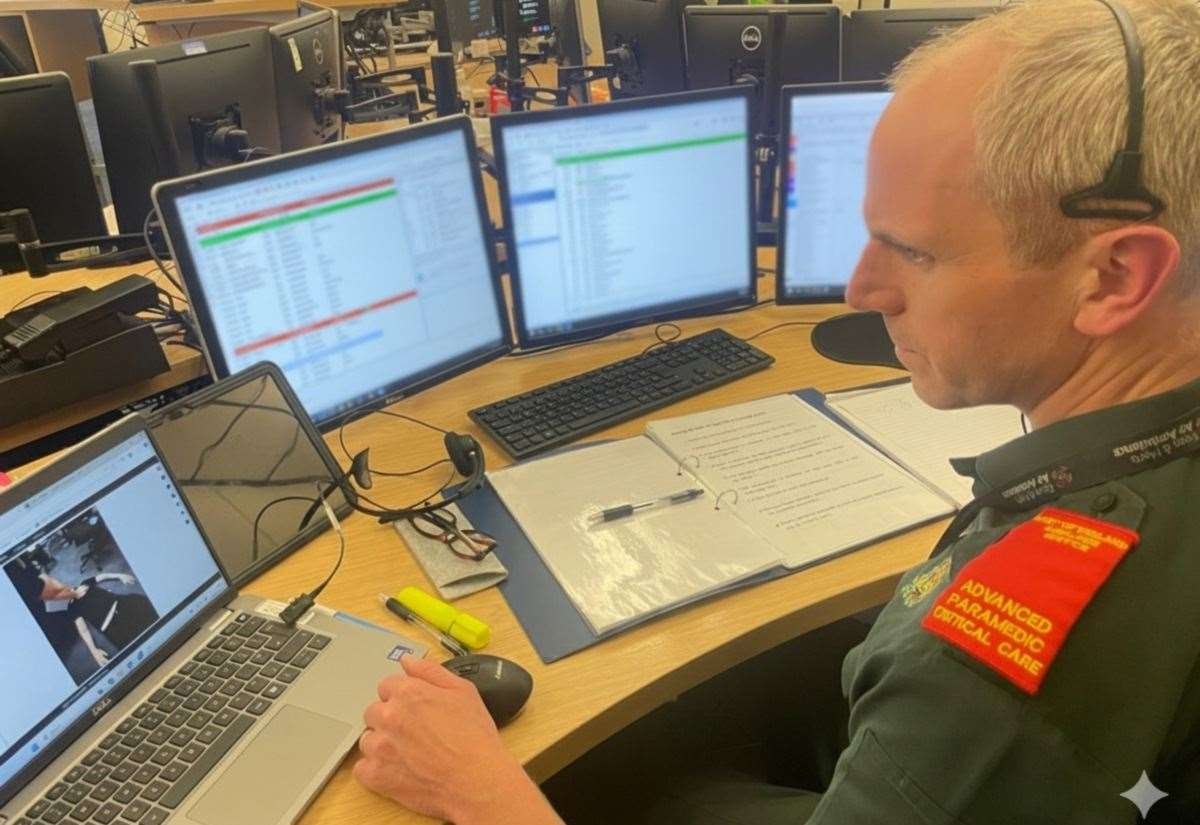
New figures demonstrate strong clinical outcomes, improving response times and high patient satisfaction for the East of England Ambulance Service NHS Trust (EEAST).EEAST’s 2025/26 Annual Quality Account shows the emergency service is one of the best‑performing in England for time‑critical conditions such as heart attacks and cardiac arrest, even during a year of record demand.During 2026, the trust has been under fire over its performance. In March, the service was last in national performance rankings.EEAST’s out-of-hospital cardiac arrest desk, which links clinicians in the control room to the scene of a cardiac arrest via video link, is now being explored by other ambulance services in EnglandThe organisation, which operates in Hertfordshire, Essex, Bedfordshire, Norfolk, Suffolk and Cambridgeshire, was 10th in the country’s league table, down from 9th place in the previous quarter.The service was judged “low performing” with the lowest grade, 4, for patient safety, access to services, and people and workforce.In May, the service was attacked by unions. GMB Union heavily criticised bosses for instructing staff to spend no longer than 42 minutes attending a scene for a category 2 (C2) response. The emergencies could include conditions and injuries such as epilepsy, strokes and burns. The same month, UNISON claimed staff were ready to quit over problems booking annual leave.Earlier in June, the trust revealed its new Patient Plan and how it aims to deliver better care by not taking all patients to the hospital as it responds to rising demand and more complex needs. The plan outlines how it will deliver faster emergency responses for the sickest patients, while helping others get the right care earlier, often closer to home.The Annual Quality Account shows that during 2025/26, EEAST was the highest‑performing ambulance trust in England for heart attack care, significantly above the national average.Survival outcomes following out‑of‑hospital cardiac arrest were also among the best in the country, with EEAST achieving the highest performance nationally for several key measures, including return of spontaneous circulation and delivery of post‑resuscitation care. The trust handled nearly 1.5 million emergency contacts in 2025/26 – the equivalent of one 999 call every 29 seconds.Despite this sustained pressure, 999 calls were answered in an average of two seconds, ambulance response times improved across all call categories compared with the previous year, and performance for the most life‑threatening emergencies remained stable.In 2025/26, EEAST clinicians safely supported over 159,000 patients through telephone assessment and clinical advice.This approach helps patients avoid unnecessary hospital visits and ensures emergency resources are available where they are needed most. Overall, 93% of patients rated their overall experience as good or very good. The trust received 3,722 compliments, with six compliments recorded for every complaint, which fell significantly.Simon Chase, chief paramedic and director of quality of EEAST, said: “Our teams respond to extraordinary demand every day, and this quality account shows the real difference their skill, compassion and commitment make for patients.“We know there is more work to do, but we are proud to be delivering some of the best outcomes in the country for the patients who need us most.”

Glitzy awards dinner delivers vital five-figure windfall for community champions | InYourArea
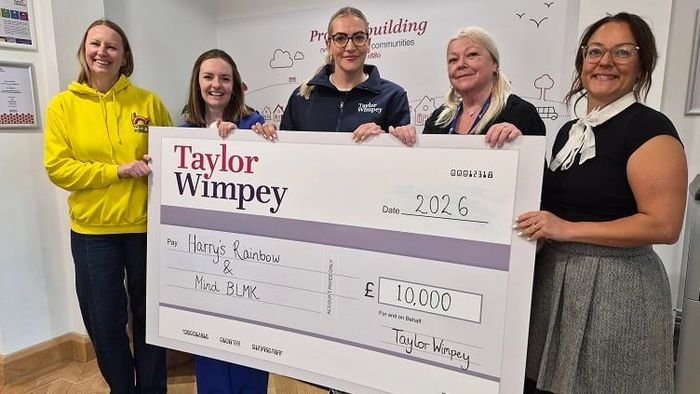
A Milton Keynes housebuilder has built more than just new homes this year, raising a massive £10,000 to support grieving children and mental health services across the region.The impressive five-figure sum was generated during Taylor Wimpey South Midlands’ annual Contractor Awards.An evening of dinner, raffles, and high-stakes auctions turned into a major fundraising triumph for two vital local causes: bereaved children’s charity Harry’s Rainbow and mental health champion Mind BLMK.The awards, which celebrate the commitment, craftsmanship and partnership of their contractors and suppliers, included dinner, an awards ceremony, a raffle and an auction.The event helped raise vital funds for bereaved children’s charity, Harry’s Rainbow, and mental health charity Mind Bedfordshire, Luton and Milton Keynes (BLMK). Each charity received £5,000 following the generous uptake of the raffle and auction.Harry’s Rainbow is a Milton Keynes-based charity that has supported bereaved children in the Buckinghamshire city since 2011 through a range of bereavement support services such as trips out, therapeutic mentoring, and short breaks at the charity’s Rainbow Retreat.Alison Johnson, fundraising and events manager at Harry’s Rainbow, said: “We’re incredibly grateful to Taylor Wimpey for being chosen as one of the fundraising charities as part of their annual Contractor Awards.
“The emotional and practical support for bereaved children and families that we offer during the difficult grieving process wouldn’t be available without these types of generous donations. “We can’t thank the efforts of Taylor Wimpey South Midlands and those who attended their Contractor Awards enough for their continued and dedicated support.”Mind BLMK works across the Bedfordshire, Luton and Milton Keynes communities to champion positive mental health and wellbeing, and make sure that no one faces mental health struggles alone. Across the community, Mind BLMK offer peer support and mentoring, wellbeing hubs, crisis cafes and mental health recovery lounges, a safe environment for those recovering from mental health struggles.
Jeanette Spiksey, income generation manager at Mind BLMK, said: “The mental health services that we’re providing to people across Bedfordshire, Luton and Milton Keynes are a vital part of these thriving communities.“We offer a variety of services in varying forms, including hubs, lounges, cafes, suicide prevention pathways, suicide by bereavement support, mentoring sessions to ensure there is a comfortable environment for everyone to access the support they need, and mental health training and education.“This outstanding donation means that we can continue to offer this wide range of services for those seeking support from Mind BLMK.”Hayden Dolby, managing director for Taylor Wimpey South Midlands, said: “Our annual Contractor Awards is always an exciting event in the calendar, not only to celebrate the outstanding work of our contractors and suppliers, but also to seize the opportunity to raise vital funds for our chosen charities.“Harry’s Rainbow and Mind BLMK give so much to the local area in which we build, and we’re so proud of our team, suppliers and contractors for helping to raise such an incredible amount.”